
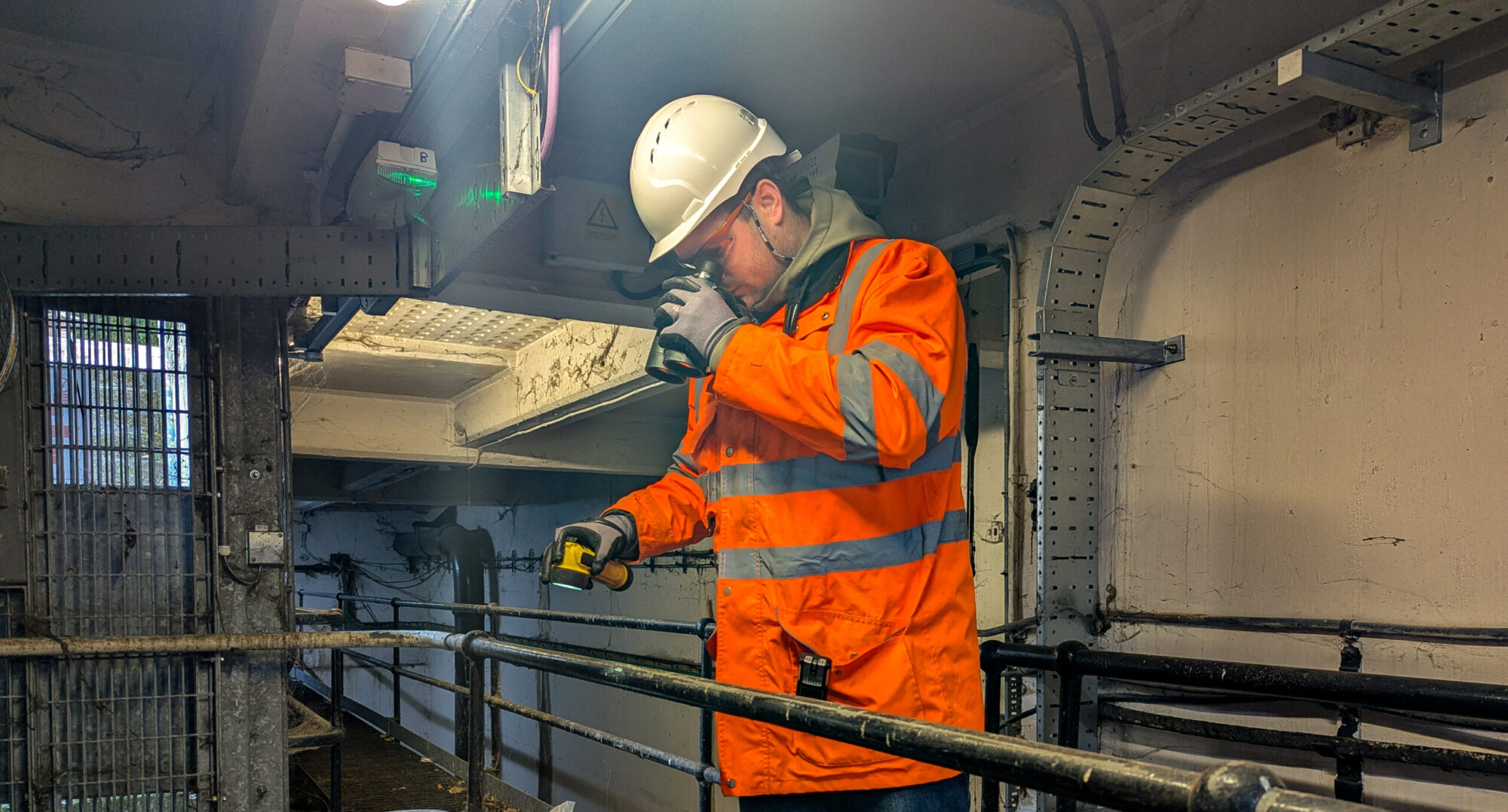
Fly activity at operational sites can quickly escalate from a nuisance to a regulatory concern — attracting complaints, statutory nuisance notices and scrutiny from Environmental Health teams or the regulator. Effective management starts with understanding the problem: where flies are breeding, how populations vary over time, and what the evidence actually shows.
We provide independent monitoring and assessment of pestiferous and nuisance flies across a wide range of operational environments, each presenting distinct challenges and management implications that warrant rigorous, evidence-based assessment. Our work covers any site where fly activity poses a real or potential risk — including wastewater treatment works, water recycling centres, landfill and transfer stations, composting and anaerobic digestion facilities, livestock operations, and other industrial or commercial sites where organic materials are handled or processed.
Our monitoring programmes are designed to quantify activity levels, identify likely source areas, and produce clear, evidence-based outputs that are meaningful to site managers, Environmental Health Officers and regulators alike. The result is data that supports proportionate decision-making — whether that’s demonstrating due diligence, responding to a complaint, or informing a longer-term management strategy.
Our approach is built on independence. We assess, measure and advise — and where control is required, we work closely with trusted, specialist pest management colleagues to deliver it. Holding pesticide application qualifications and licences gives us a thorough understanding of the regulatory landscape and what good practice looks like in the field, but we believe the value of monitoring lies in its objectivity. Keeping assessment and treatment separate is what makes our outputs credible to regulators and defensible under scrutiny.
► Need a monitoring programme? Get in touch to discuss your site.